The Future of Reflective Technology: From Tape to Smart Fabrics
The Evolution of Reflective Technology in PPE
Reflective technology has advanced significantly since the first silver reflective tapes were introduced in the 1930s. Today, breakthroughs in materials science and wearable electronics are redefining the capabilities of worker visibility apparel. At Ningbo CMC, our R&D team of 50+ specialists is actively developing the next generation of reflective workwear—gear engineered not merely to meet existing ANSI/ISO standards, but to establish new benchmarks for safety performance.
For procurement managers and safety directors evaluating future-proof PPE programs, understanding these emerging technologies is essential for making informed supplier decisions and long-term investment strategies.
Segmented Reflective Tape: Engineering Comfort Without Compromise
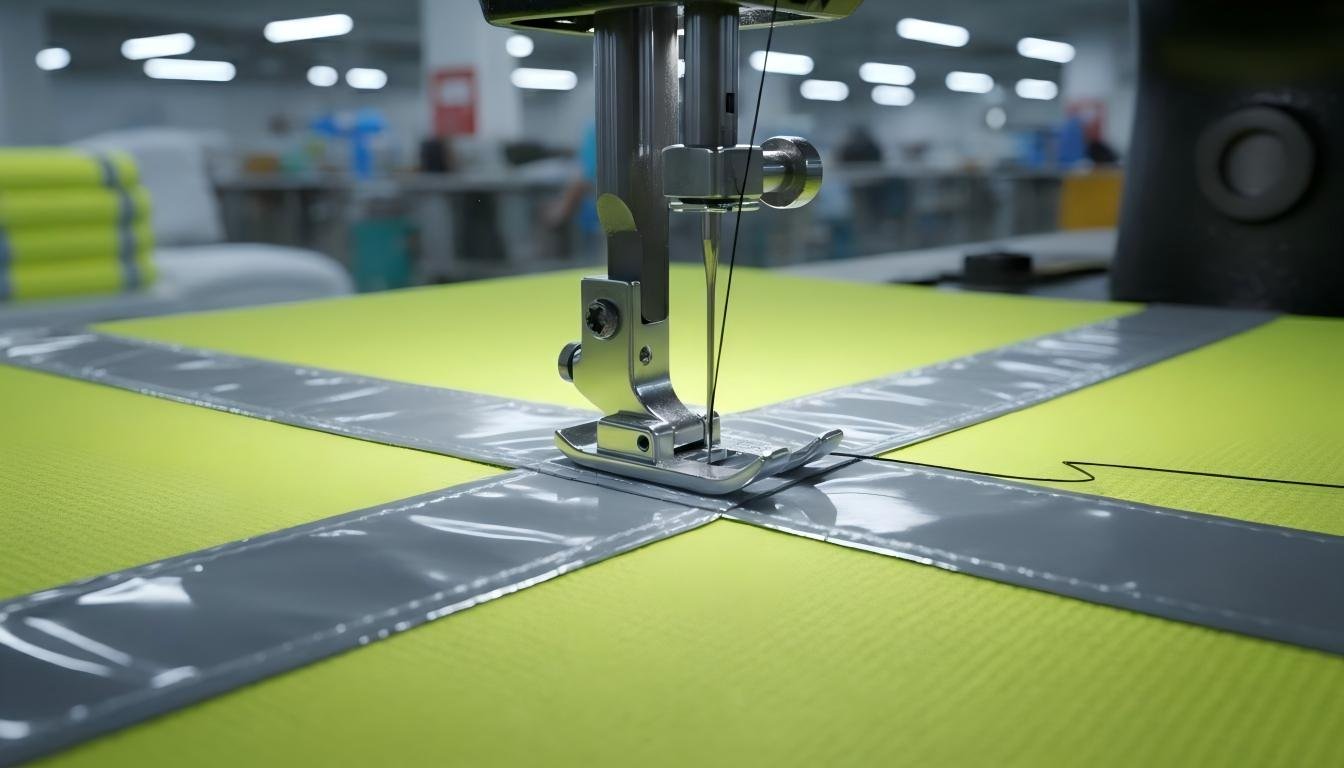
Traditional solid reflective tape delivers excellent retroreflective performance but can restrict garment flexibility and impede breathability—particularly problematic in high-activity or hot-climate applications. Segmented reflective tape—reflective material precision-cut into narrow strips with engineered gaps between them—solves this structural limitation.
Ningbo CMC’s segmented tape technology maintains equivalent retroreflective performance to solid tape while allowing the garment to stretch and flex with the worker’s full range of motion. This innovation is particularly valuable for:
- Construction crews: Workers requiring unrestricted overhead reach and bending mobility without tape delamination.
- Cyclists and delivery personnel: Applications demanding aerodynamic flexibility combined with high-speed visibility.
- Hot-climate operations: Enhanced breathability where thermal comfort directly impacts compliance and worker retention.
Our segmented tape configurations meet ANSI 107 photometric requirements while measurably improving wearer comfort—a critical convergence for safety managers balancing regulatory compliance with workforce satisfaction and PPE adoption rates.
Photoluminescent Materials: Visibility Without External Power
Photoluminescent (glow-in-the-dark) materials absorb ambient light energy during daylight or artificial illumination periods and emit a sustained green glow for hours afterward—without any electrical power source. Ningbo CMC is integrating photoluminescent strips into safety vests and helmet accessories as supplementary visibility layers.
While photoluminescent elements are not a replacement for retroreflective tape under current ANSI standards, they provide critical baseline visibility in complete darkness before approaching vehicle headlights activate reflective materials. This capability is essential for workers in remote locations with intermittent traffic patterns, where passive waiting for external light sources creates dangerous visibility gaps.
“The most dangerous moment for a roadside worker isn’t when headlights are visible—it’s when no lights are approaching at all. Photoluminescent materials close that visibility gap with zero power dependency.”
Integrated LED Systems: Active Illumination Technology
Passive retroreflection depends entirely on external light sources. Active LED systems fundamentally shift the paradigm by placing the illumination source on the worker itself. Ningbo CMC’s prototype LED-integrated reflective vests feature:
- Rechargeable LED strips: Seamlessly sewn into existing reflective tape patterns without compromising tape performance.
- Programmable flash patterns: Steady illumination, slow pulse, and rapid flash modes adapted to environmental conditions.
- USB-C charging: 12-hour continuous battery life supporting full shift operations.
- Weather-sealed electronics: IP65-rated components engineered for sustained outdoor exposure in rain and dust conditions.
These active systems are designed for emergency responders, traffic control personnel, and operations in extremely low-visibility environments—fog, heavy precipitation, or unlit remote sites—where passive reflection alone may be insufficient for adequate driver reaction time.
Smart Fabrics: The Next Frontier in Wearable Safety
Ningbo CMC’s R&D pipeline includes several advanced smart fabrics currently in development and field testing:
Temperature-Responsive Fluorescent Fabrics
Fabrics engineered with thermochromic properties that shift color based on elevated body temperature, providing visual heat stress warnings before the worker experiences physical symptoms. This technology integrates directly into existing fluorescent background materials without additional garment layers.
Impact-Sensing Reflective Systems
Micro-embedded accelerometers within garment structures detect fall events and automatically transmit alerts to designated supervisors or safety monitoring systems. This capability dramatically reduces emergency response times in isolated work environments and supports lone worker safety protocols.
Solar-Charging Reflective Materials
Experimental materials that harvest ambient light energy to maintain reflective brightness without battery replacement or charging cycles. These self-sustaining visibility systems represent a long-term goal for zero-maintenance high-visibility apparel in outdoor deployment scenarios.
Balancing Innovation With Practical Deployment
While these emerging technologies represent significant advancement, Ningbo CMC’s product development philosophy insists that innovation must serve demonstrable operational needs. Every new product in our pipeline undergoes rigorous field testing with actual workers across diverse industries before commercial authorization.
A reflective jacket equipped with twenty technical features delivers no safety value if workers refuse to wear it due to excessive weight, charging complexity, or comfort compromises. Our ISO 9001-governed development process prioritizes real-world usability alongside technical capability—ensuring that innovation translates to measurable safety improvement, not specification sheet impressiveness.
“Technology in PPE is only as valuable as its adoption rate. The best reflective innovation is the one workers actually wear—every shift, every day, without exception.”
Sustainability in Reflective Manufacturing Innovation
Ningbo CMC’s innovation roadmap integrates environmental responsibility alongside technical advancement. Our ISO 14001-certified environmental management system governs three priority development tracks:
- Recycled polyester fluorescent fabrics: Incorporating post-consumer recycled content into high-visibility background materials without compromising ANSI color saturation requirements.
- Water-based reflective coatings: Replacing solvent-based reflective coating processes to reduce volatile organic compound emissions and chemical waste streams.
- Modular garment architecture: Designs that enable reflective tape replacement at end-of-life instead of full garment disposal, extending product lifecycle and reducing textile waste volume.
Conclusion: Partnering for the Future of Worker Visibility
The future of reflective workwear is measurably brighter—both functionally and strategically. As a manufacturer with 30+ years of production experience, BSCI-audited facilities, and a dedicated in-house R&D team, Ningbo CMC is committed to transitioning these innovations from laboratory validation to full-scale commercial deployment.
Procurement managers and safety directors who partner with technology-investing manufacturers today will be positioned to implement next-generation visibility standards before regulatory frameworks catch up—delivering competitive safety advantages and demonstrating genuine workforce protection commitment.
Contact our R&D and OEM team today to discuss emerging technology integration, pilot program participation, and customized development roadmaps for your organization’s future PPE requirements.